The Challenge
Our client wanted to shift from facilities management supplier to tech company, but the foundations weren't there. Discovery revealed teams building without a shared vision, shifting requirements, no design process, no customer validation, and a fragmented brand. The gap was in process and practice, not talent.
The Approach
YLD ran a three-week discovery with senior stakeholders across the business, including product, engineering, and leadership. Through 1:1 interviews and group workshops, we identified the core challenges that needed to be addressed before any product work could meaningfully begin:
- No shared, clearly articulated product vision for their flagship initiative
- Engineering teams stretched across multiple projects with constantly shifting requirements
- No UX research or customer validation built into the process
- Fragmented brand identity with no central ownership
- Limited design capability, with no dedicated UX or UI resource
The discovery gave us, and the client, a shared foundation of evidence to work from, and set clear expectations before a single line of code was written.
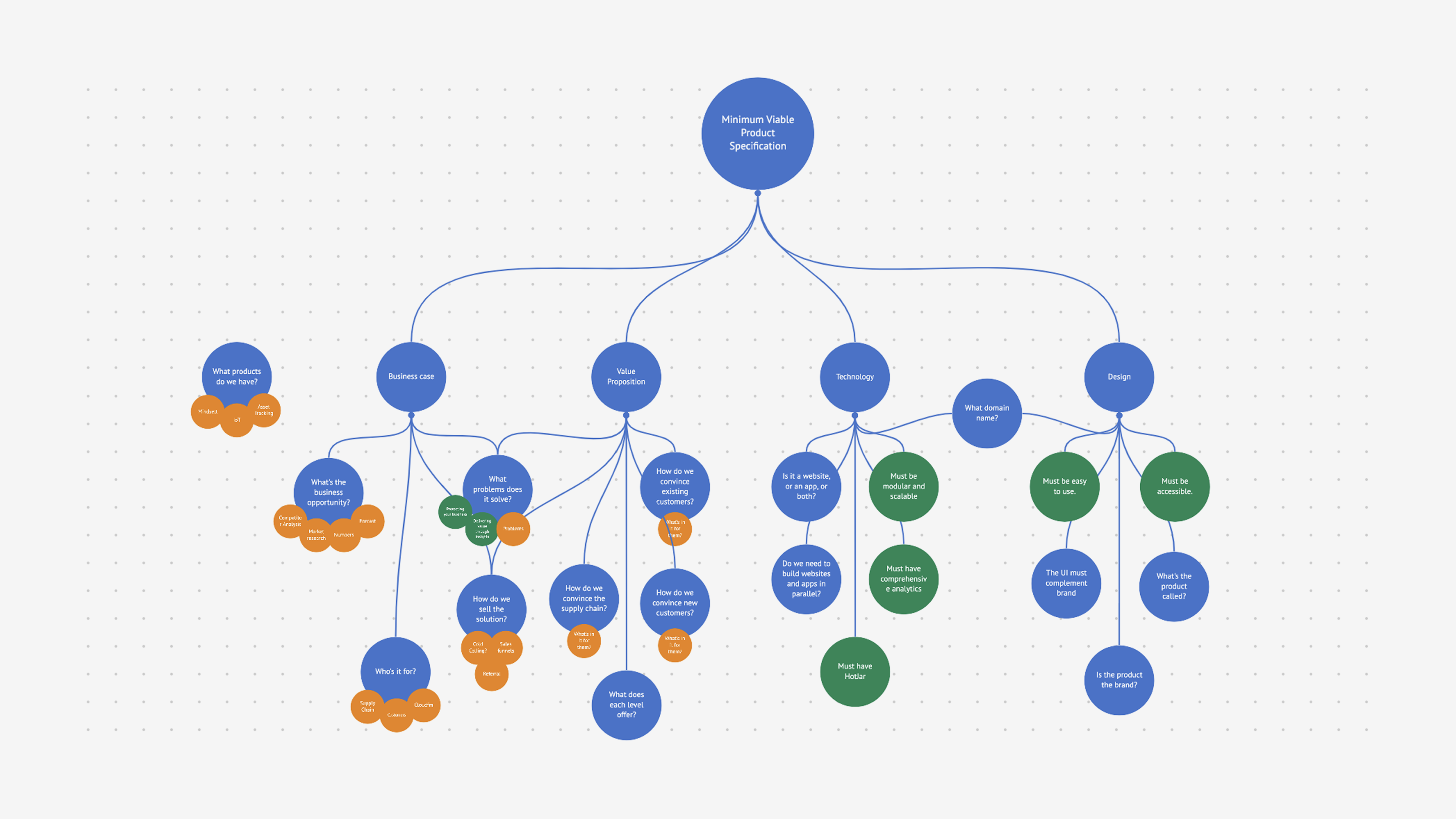
Introducing design thinking and Agile
YLD embedded a cross-functional team alongside the client's engineers to model a better way of working. We introduced proper Agile Scrum practices, including sprint planning, backlog grooming, retrospectives, and regular Show and Tells, giving the team a consistent rhythm and visibility over their work for the first time.
Alongside this, we began building a genuine product design process from scratch: one that connected business goals, user needs, and engineering delivery into a single coherent flow.
Reimagining the engineer app
One of the most important user groups was the network of maintenance engineers who carry out work on behalf of clients. Getting their experience right was essential to building a reliable supply chain.
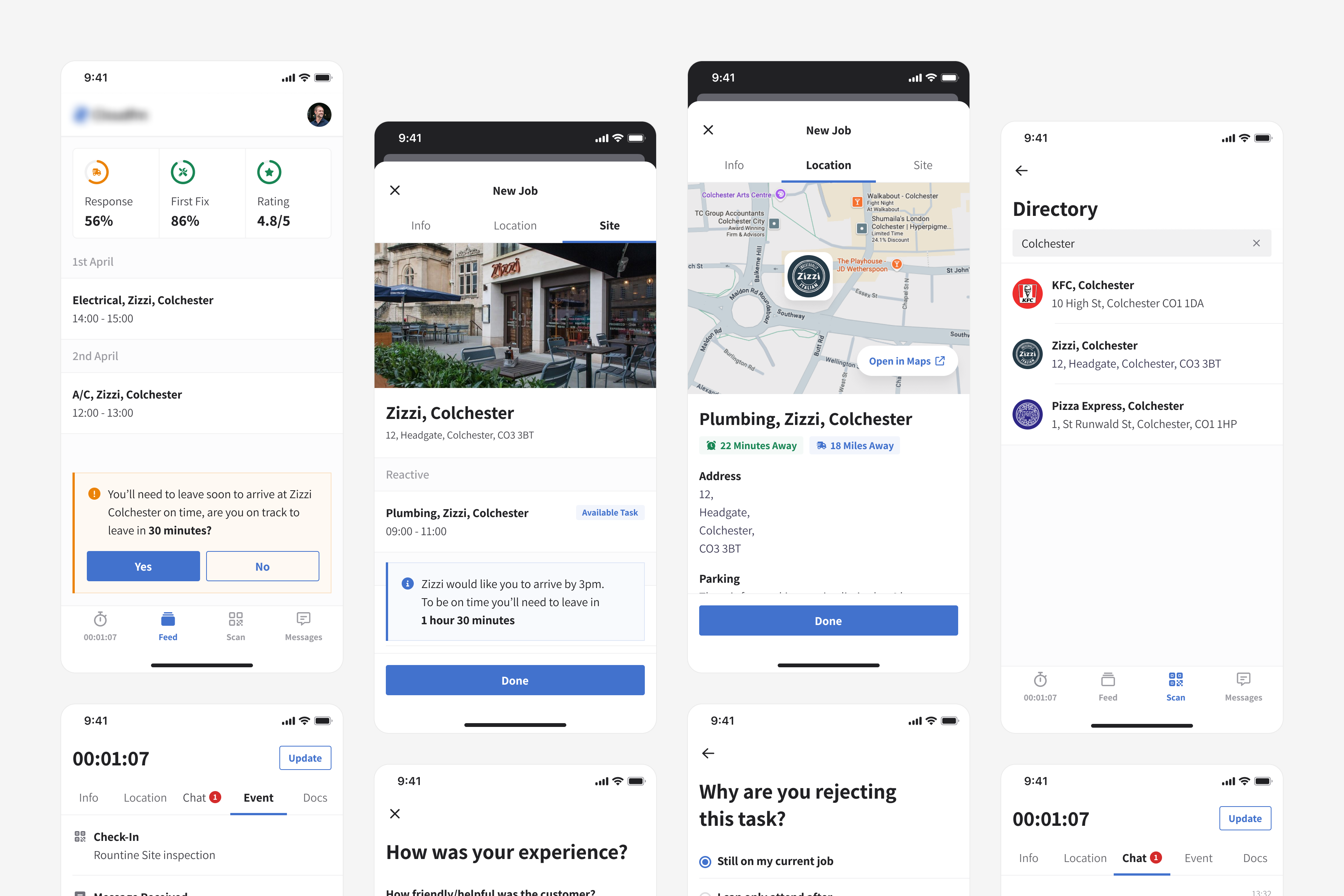
We mapped existing user journeys, identified pain points, and prototyped a new engineer app experience, one that gave engineers the right information at the right time, reduced friction, and removed the client as an unnecessary communication middleman. A hi-fidelity prototype was ready in time for the client's supplier conference, giving the leadership team a tangible demonstration of the digital transformation underway.
Building the brand foundation
The client was repositioning, not just its products, but its identity. The company needed to move away from a brand that anchored it to facilities management and towards one that communicated a tech-forward future.
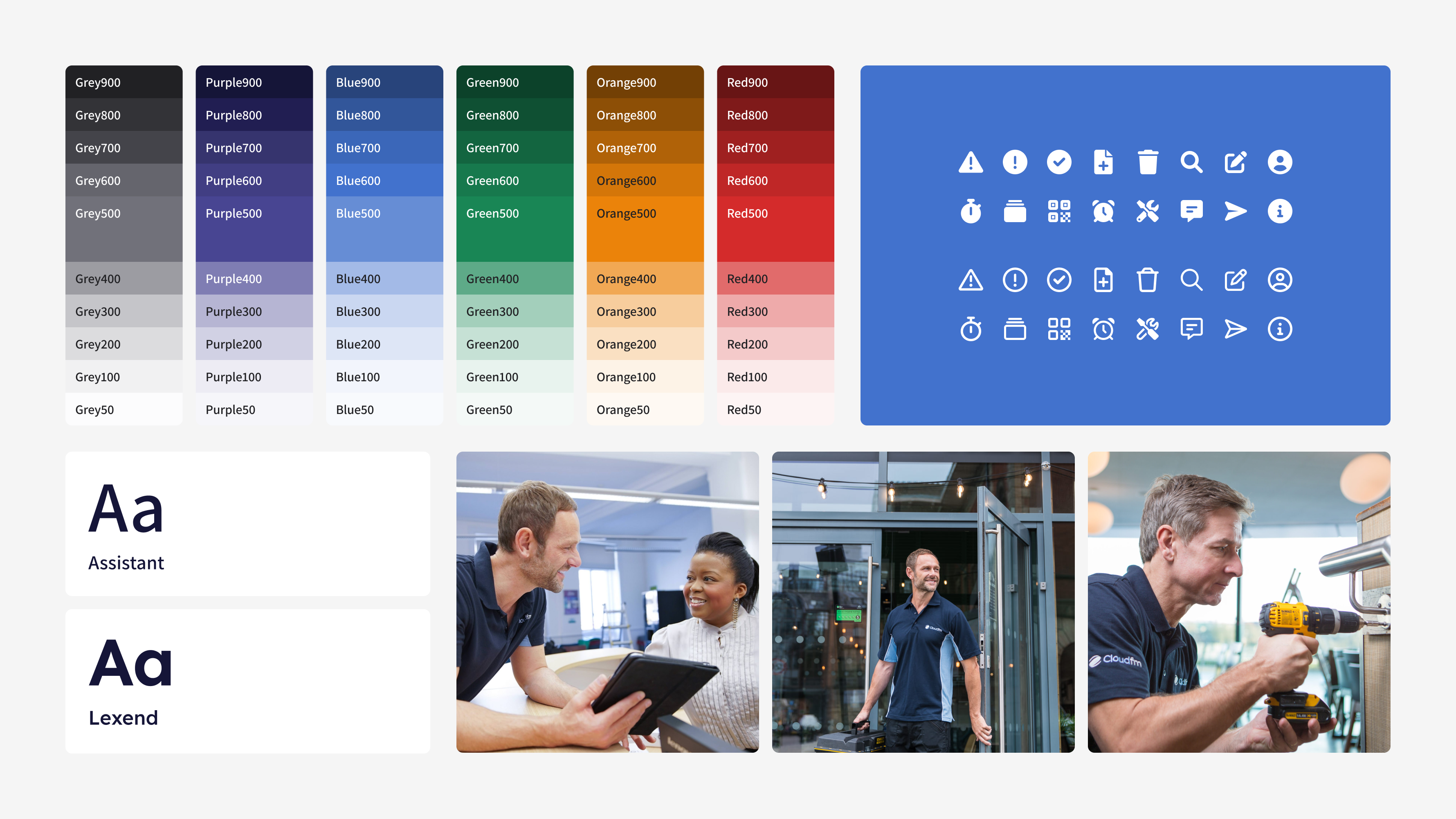
YLD ran brand identity and brand architecture workshops, exploring naming conventions, product landscapes, and visual direction. We conducted a full visual audit of what existed, consolidated the disparate brand elements, and produced a provisional set of brand guidelines, creating immediate alignment across the business and a clear visual foundation for everything that followed.
Creating a design system built to scale
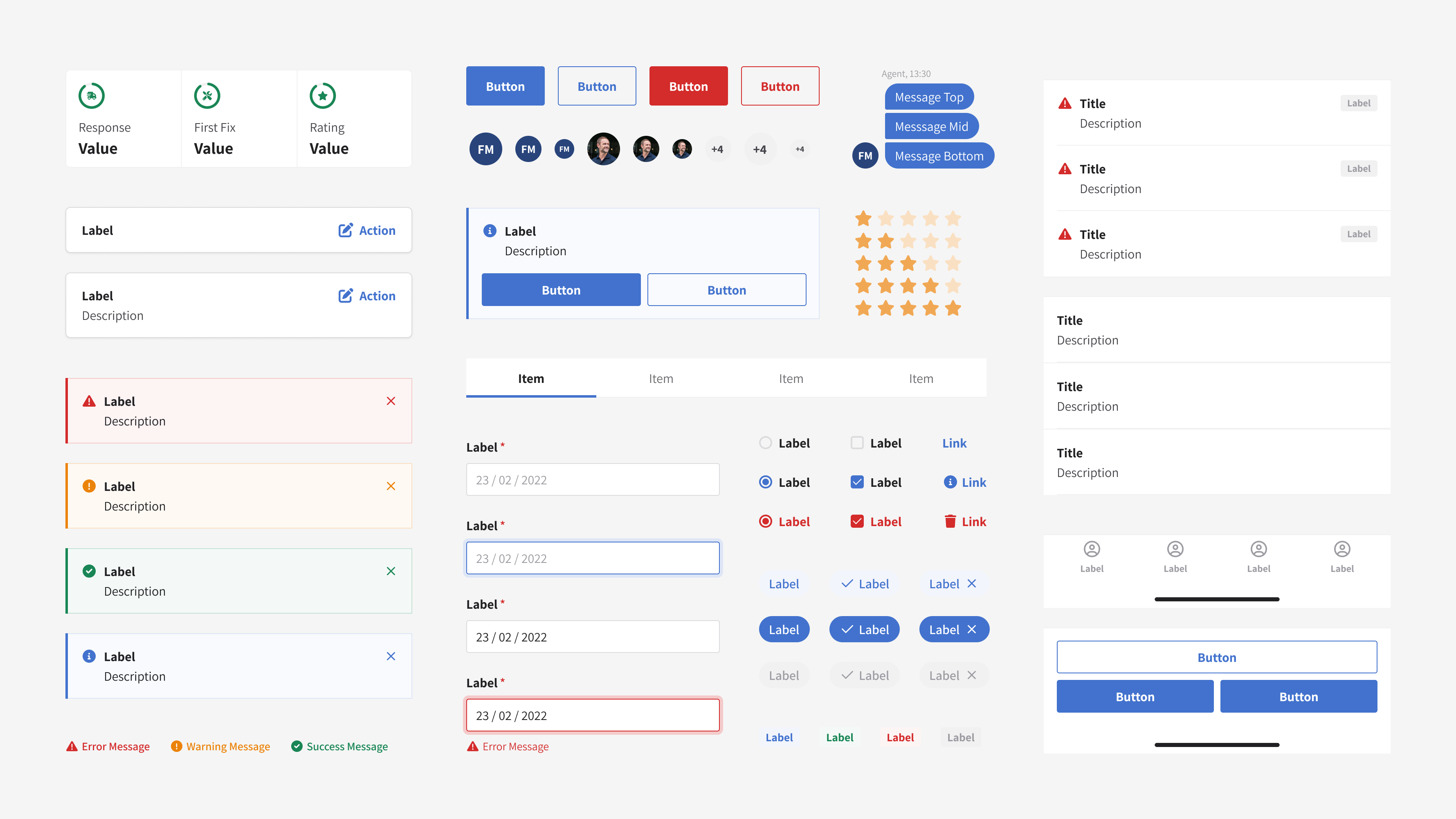
With the brand direction established, YLD built a comprehensive design system in Figma using an atomic structure, from foundational tokens (spacing, colour, iconography) through to complex patterns and templates. The system was designed to bring all of the client's products across platforms into a coherent whole, while remaining accessible and developer-friendly.
Critically, we involved the engineering team throughout, through regular review sessions, early component stress-testing, and a deliberate effort to make engineers part of the design process, not just recipients of its output. This was not a design system handed over at the end of a project. It was one built with the people who would use it.
The Deliverables
The engagement was always designed to leave the client in a stronger position than it started. YLD ran training workshops to ensure the whole team understood the new design system and could use it correctly from day one. On-level coaching was available throughout, helping individuals build confidence and competence as the system went into use.
Closing the Engagement
The client ended the engagement with something it had not had before: a coherent design and delivery practice that the team owned and could build on.
The design system was adopted across engineering teams, replacing the fragmented, ad hoc approach to UI with a consistent, scalable foundation.
Agile ways of working took hold, giving the team clearer visibility, better-defined requirements, and a more sustainable pace.
The brand had a clear direction for the first time, aligned across products and platforms.
Perhaps most importantly, the relationship between design, product, and engineering shifted. Teams that had previously built things without knowing why, or whether anyone would use them, now had a shared language, shared tools, and a shared process.
By the end of the engagement, the client's team left with not just new tools and processes, but a genuine understanding of how design and engineering could work together, and the confidence to carry that forward independently.


View More Work